
How to Avoid Cavities and Gum Issues – Professional Dental Tips
How to Avoid Cavities and Gum Issues – Professional Dental Tips

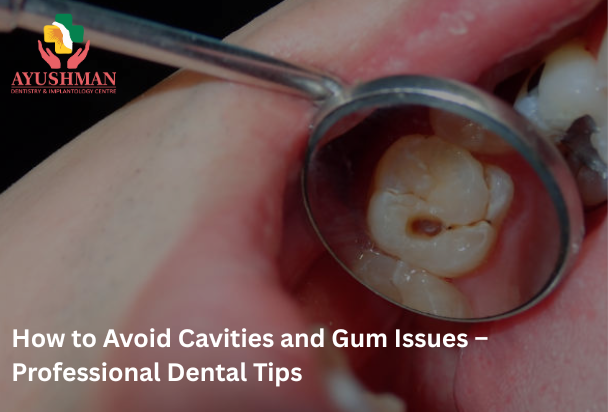
Cavities and gum disease are two of the most common dental issues in people of all ages, and both can result in painful consequences, tooth loss, and expensive treatment if not addressed, but they are also largely avoidable conditions. You can enjoy a healthy mouth and a beautiful smile for life with continued care and thoughtful lifestyle choices. At Ayushman Dental Clinic, we believe that prevention is the best form of treatment, and we want to help you eliminate and treat potential problems so that you can enjoy a lifetime of optimal oral health.
1. Brush Your Teeth Properly
Excellent oral hygiene starts with brushing your teeth twice a day, using a fluoride toothpaste. Brushing dislodges plaque, a sticky layer of bacteria that leads to tooth decay and gum disease. Dentists suggest using soft-bristled toothbrushes and brushing all surfaces of your teeth, as well as the gum line, by gently brushing in circles.
2. Don’t Forget the Floss
Cleaning between your teeth is essential, as plaque and food debris often build up in areas your toothbrush can’t reach. If you floss only occasionally, nearly 35% of your tooth surfaces may remain uncleaned. Daily flossing can prevent cavities, as well as gingivitis.
If you have trouble using regular floss, try floss picks or a water flosser, both of which can be a big assist for those who have braces or other dental procedures.
3. Rinsing with a Dentist-Recommended Mouthwash
Mouthwash won’t replace brushing or flossing, but it can prevent the amount of bacteria in the mouth from becoming too high. Select a fluoride or antibacterial mouthwash based on your condition. These mouthwashes help prevent cavities, lower the amount of plaque, and provide fresh breath.
4. Reduce Sugar and Acidic Food Intake
Sugary and acidic foods feed bacteria that produce acids, which erode tooth enamel and lead to cavities. Attempt to cut back on:
- Soda and sweet beverages
- Candy and sticky candy
- Acidic fruits and vinegary salad dressing
5. Maintain Hydration
Saliva serves as a natural protective barrier in your mouth, helping to prevent tooth decay and gum disease. Staying hydrated by drinking water regularly supports saliva production, helps wash away food particles, and neutralizes harmful acids.
Whenever possible, drink fluoridated water, which provides extra protection for your enamel.
6. See Your Dentist Every Six Months
Routine dental visits are essential for the early detection and prevention of oral issues. Tartar, or hardened plaque, can’t be removed by regular brushing and requires professional dental cleanings for effective removal. Here at Ayushman Dental Clinic, we provide detailed checkups and gentle cleanings to maintain a healthy smile year-round.
7. Stop Using Tobacco and Smoke
Smoking and smokeless tobacco make your gums weaker and decrease your blood circulation, making it harder for your body to fight off infection. Smokers are many times more prone to gum disease and tooth loss.
8. Chew Sugar-Free Gum
Chewing sugar-free gum after meals boosts saliva production, helping to rinse away food particles and neutralize acids that can harm your teeth.
Find gum with xylitol, a natural sweetener that prevents bacteria from adhering to your teeth.
Why choose Ayushman Dental Clinic?
Our team here at Ayushman Dental Clinic is more than simply a dental office, we’re your lifelong dental partners. Using gentle methods and advanced technology, we have what it takes to deliver comfortable yet effective care at every visit. From prevention and cosmetic services to specialized therapies, we bring tailored solutions perfectly matched to fit your needs.
Frequently Asked Questions (FAQ)
Q1: How many times a day should I brush and floss for good oral hygiene?
For best oral health, brush your teeth twice a day and floss once daily to remove plaque and prevent cavities and gum disease.
Q2: Do cavities heal by themselves?
No, once a tooth has a cavity, it has to be taken care of by a dentist. Decay in early stages can sometimes be reversed through fluoride treatment, but most cavities need filling.
Q3: How will I know I have gum disease?
Red, tender, or bleeding gums, as well as continually bad breath or receding gums, are frequent signs. See a dentist straight away if you experience these.
Q4: How frequently should I visit the dentist?
One should go to the dentist for a check-up and a professional cleaning every 6 months. Individuals with gum disease or high cavity risk could require more visits.
Q5. Do mouthwashes prevent cavities and gum disease?
Yes, antibacterial mouthwashes will decrease plaque and bacteria, and fluoride rinses will harden enamel.
Related posts

Write a Comment
Recent Posts

What to Expect During Your First Dental Implant Consultation

Pediatric Dental Centre in Dwarka: Bright Smiles for Your Kids

The Biggest Mistakes Parents Make with Their Children’s Dental Health